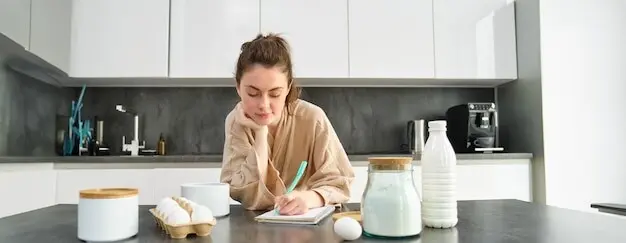
Build a Living Family Knowledge Hub

Today we dive into creating a family knowledge hub built around shared notes, checklists, and home archives, so information stops hiding in texts, drawers, or memories and starts working together. Imagine birthdays, appliance manuals, school forms, recipes, emergency plans, and precious stories living side by side, searchable and trusted by everyone. We’ll blend simple structure with habits that stick, balancing privacy with access. When our toddler spiked a fever on vacation, a two-tap medical note saved the night; that calm is what we’re building together.

Start with a Simple Structure

Before tools and templates, shape clear spaces everyone understands. Define a small set of hubs—Plan, Reference, Memories, and Home Ops—so nobody wonders where things belong. Standardize folders, notebooks, and tags with names that read like sentences. Share a family map, choose stewards for each area, and schedule lightweight reviews. Clarity at the start prevents endless reshuffling later, and it invites participation from even the busiest relatives.

Shared Notes That Actually Get Used

If notes require heroics to capture, they quietly die. Build lightning-fast entry from every device, favor short pages over sprawling monsters, and link liberally. Offer a warm “Start Here” page for new or overwhelmed family members. Measure usefulness by retrieval speed rather than stylistic perfection. The best note is the one everyone can find in ten seconds and understands in five more.

Checklists That Prevent Last-Minute Panic

Photos and Videos with Context That Lasts

Pair albums with short captions, locations, and names. Capture voices by recording quick anecdotes after events, then store transcripts with the media. Use consistent dates and a simple rating like Keep, Highlight, or Share. One grandmother’s whispered backstory can transform a grainy picture into living heritage, helping children feel connected to people they never met yet somehow already love.

Documents You’ll Thank Yourself For Organizing

Centralize IDs, immunizations, warranties, receipts, appliance manuals, caregiving instructions, legal papers, and school records. Add renewal dates, serial numbers, and vendor contacts to reduce scavenger hunts. Snap photos for quick reference, while keeping originals safe and dry. During a pipe burst, our labeled insurance pack shaved hours off calls and soothed nerves, proving organization is a kindness paid forward.

Digitizing Paper Without Losing the Story

Scan on a flat surface with good light, then add a cover note explaining why the item matters, who created it, and relevant dates. Group related scans, not just lonely pages. A scribbled recipe becomes a family treasure when origin, substitutions, holiday mishaps, and serving memories accompany it, turning pixels into context and a kitchen into an archive of belonging.

Security, Privacy, and Permission

Protecting loved ones means sharing wisely, not hoarding tightly. Separate everyday collaboration from sensitive details, and document how access changes during travel, illness, or emergencies. Use a family password manager, two-factor authentication, and recovery contacts. Clarity today prevents guesswork tomorrow, especially when emotions run high. Good boundaries create safety, dignity, and sustainable participation across different generations and comfort levels.


Make It Fun, Habitual, and Intergenerational

Systems thrive when they feel alive. Invite kids with playful roles, celebrate contributions, and rotate responsibilities to avoid invisible labor. Pair technology with rituals—monthly memory nights, seasonal cleanups, new-year refreshes. Ask extended family to add stories and scans. Subscribe for fresh templates, comment with your favorite small win, and share photos of your proudest checklist taped to the fridge.
Give children scavenger-hunt tasks like finding the pet-care page, adding a drawing to the meal plan, or recording a voice note for a trip checklist. Reward curiosity, not perfection. Offer choices and tiny ownership slices. When they help create, they remember where to look later, building independence while making the household run more kindly and smoothly.
Schedule gentle interviews, record on a phone, and transcribe short segments into the archive. Scan recipe cards together while cooking, then photograph the finished dish. Add pronunciation notes for names and places. Send printed highlights at holidays. Elders feel seen, youngsters feel rooted, and the hub becomes a bridge rather than merely another app competing for attention.
Lumazavotavozerakentorino
Privacy Overview

This website uses cookies so that we can provide you with the best user experience possible. Cookie information is stored in your browser and performs functions such as recognising you when you return to our website and helping our team to understand which sections of the website you find most interesting and useful.