Make It Stick Every Day with Spaced Repetition
Spaced repetition turns fleeting notes, names, and insights into dependable knowledge you can recall under pressure. In this guide, we explore how to apply memory techniques to everyday information so you remember more with less effort, using intervals, retrieval, and smart prompts. Expect simple routines, relatable stories, and friendly nudges to practice. Ask questions, try one habit today, and share your wins to inspire the community.
Why Intervals Beat Cramming
Your brain forgets on a curve, but it strengthens memories when you revisit just as they begin to fade. Intervals create desirable difficulty that reactivates pathways, building durable recall without exhausting study marathons. We will connect science to practical moves you can try today, replacing endless rereads with quick prompts. Share your impressions after a week, and compare the calm clarity you feel before meetings, exams, or spontaneous conversations.

A Practical Daily Review Flow
Consistency thrives when friction is low. Build a gentle loop that captures small facts from conversations, meetings, articles, and errands, then revisits them in quick, scheduled bursts. Prioritize predictable windows—morning coffee, transit, lunch—leaving evenings free. Keep stacks light, celebrate completion with a satisfying check, and adjust tomorrow’s plan based on energy. Share your personal cadence in the comments, and borrow successful rhythms other readers post.
Cards That Actually Work
Great prompts feel tiny, clear, and honest. Instead of copying paragraphs, distill single ideas that demand active recall, not recognition. Prefer concrete language, personal examples, and bite-sized cloze deletions. Limit ambiguity without killing nuance, and tag by project or context. When a question repeatedly confuses you, rewrite it until success feels earned, not guessed. Share before-and-after examples to help others refine their prompts too.
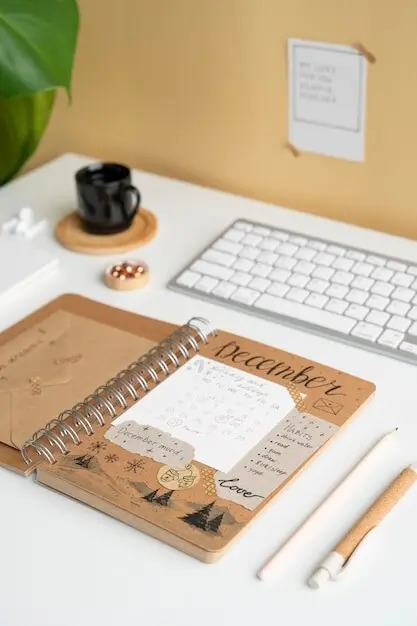
Atomic, Clear, Single-Idea Prompts
Split complex concepts into separate questions that stand alone. Ask for definitions, processes, or decisions one step at a time. Phrase prompts so a stranger would know when the answer is correct. Avoid double-barreled wording and vague qualifiers. Track which cards consistently take longer, and break them down again. Over weeks, clarity compounds, and your sessions feel lighter without losing depth or the satisfying feeling of precise understanding.

Make It Concrete with Context
Anchor abstractions to personal moments: the meeting where a concept surfaced, the street where you learned a word, the device you were troubleshooting. Include brief scenario cues so your brain retrieves in realistic settings. This improves transfer, helping facts travel between environments. When reviewing, visualise the original scene. Share your most effective contextual cues, and notice how recall accelerates whenever rich sensory details accompany the question and invite mental rehearsal.
Intervals and Algorithms, Without the Jargon
You do not need a PhD or advanced settings to benefit from spacing. Start with a simple progression and adjust based on how recall feels. Let algorithms handle math while you supply honest feedback. Watch workload trends, prune aggressively, and keep decks coherent. If curiosity strikes, explore popular systems later. Share your baseline schedule, and compare notes with others to find kinder cadences that respect energy and commitments.



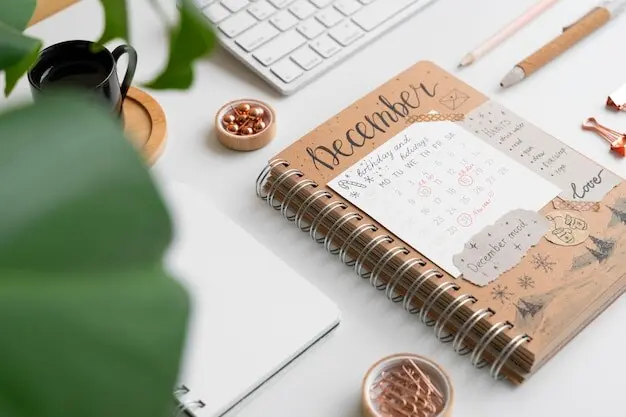
Tools and Low-Tech Options
Whether you love polished apps or pen and paper, pick a setup that fits your habits. Anki, RemNote, and mobile flashcard tools automate intervals; notebooks and index cards shine when screens distract. Blend approaches: draft on paper, migrate winners to digital. Back up regularly, sync across devices, and guard privacy. Comment with your stack, and ask for recommendations tailored to your context, strengths, and comfort level.
Stories from Everyday Practice
Real experiences reveal subtle benefits numbers miss. Across households and teams, spaced repetition brings steadier confidence, calmer meetings, and fewer embarrassing blanks. We gathered moments that illustrate practical moves you can try this week, then invite you to contribute your own. When people compare notes, patterns surface faster, and encouragement spreads. Leave a comment with your story so another reader catches momentum today.
All Rights Reserved.